

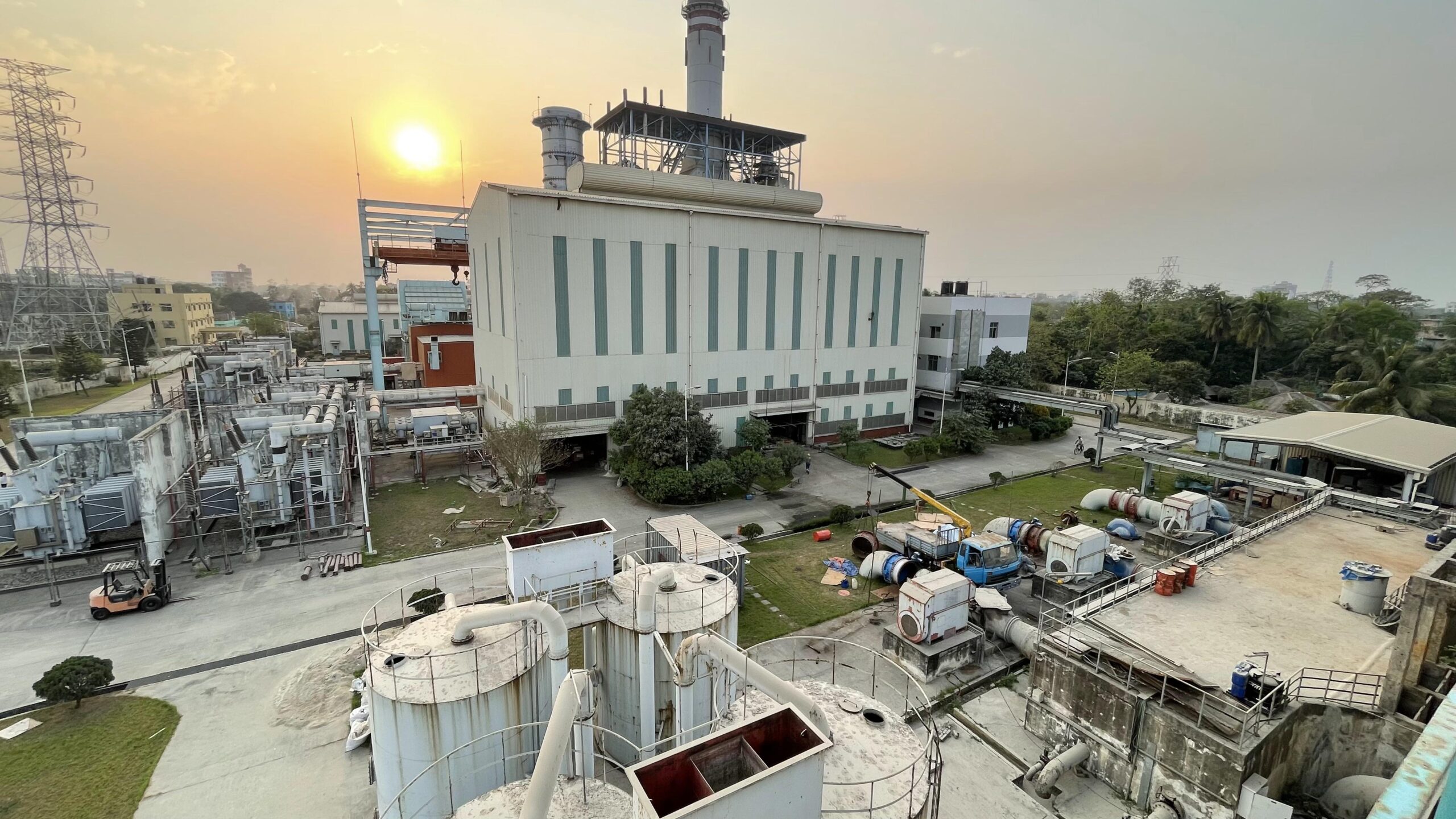
Modern power plants and industrial facilities depend on efficient boiler operations to maintain productivity, safety, and energy efficiency. As industries continue to adopt automation, investing in advanced boiler island control & monitoring systems has become essential for achieving reliable performance and reducing operational risks. These systems provide real-time monitoring, intelligent controls, and data-driven insights that help operators optimize every stage of boiler operation.
When planning a new project or upgrading an existing facility, selecting the right control and monitoring system is just as important as choosing the boiler itself. Companies offering boiler island turnkey solutions, such as RUNH POWER, integrate advanced automation with engineering expertise to deliver dependable and efficient boiler island operations.
This article explores the key features that should be considered when evaluating boiler island control and monitoring systems.
Why Boiler Island Control Systems Matter
A boiler island consists of multiple interconnected components, including boilers, fuel handling equipment, air supply systems, feedwater systems, ash handling equipment, and emission control devices. Managing all these systems manually can increase the chances of operational errors and equipment failures.
An advanced control and monitoring system centralizes operations, allowing operators to monitor equipment performance, detect abnormalities, and make informed decisions in real time. This results in improved plant efficiency, reduced downtime, enhanced safety, and lower maintenance costs.
Real-Time Data Monitoring
One of the most valuable features of modern control systems is real-time monitoring.
Operators should have access to live information such as:
Boiler Pressure
Continuous pressure monitoring helps maintain stable operating conditions while preventing dangerous pressure fluctuations.
Temperature Monitoring
Monitoring steam, water, and furnace temperatures ensures the boiler operates within safe design limits.
Water Level Control
Maintaining the proper water level protects the boiler from overheating and improves steam production efficiency.
Fuel Consumption
Tracking fuel usage helps optimize combustion while reducing operating costs.
Real-time dashboards provide operators with immediate visibility into plant performance, allowing quick responses to changing operating conditions.
Intelligent Automation
Automation has become a critical part of modern boiler island operations.
Advanced systems automatically control:
Fuel Feeding
Automated fuel delivery maintains consistent combustion and minimizes fuel waste.
Air-to-Fuel Ratio
Maintaining the correct combustion ratio improves efficiency while reducing emissions.
Feedwater Flow
Automatic feedwater regulation keeps boiler operation stable during varying load conditions.
Steam Output
The system adjusts boiler operation based on steam demand, improving overall plant performance.
When selecting boiler island control & monitoring systems, intelligent automation should be a top priority because it minimizes manual intervention while improving consistency.
Advanced Alarm and Fault Detection
Unexpected equipment failures can result in costly downtime.
Modern monitoring systems continuously analyze equipment conditions and generate alerts before small issues become major problems.
Important alarm functions include:
- High-temperature warnings
- Pressure limit alerts
- Low water level detection
- Fuel supply interruptions
- Pump failures
- Fan performance monitoring
- Sensor malfunction alerts
Early fault detection allows maintenance teams to resolve issues before production is affected.
Centralized Supervisory Control
Large industrial facilities often operate multiple boiler units simultaneously.
Centralized supervisory systems allow operators to:
- Monitor every boiler from one control room
- View system-wide performance
- Manage multiple equipment groups
- Coordinate load distribution
- Generate operational reports
This centralized approach improves operational efficiency while reducing staffing requirements.
User-Friendly Human Machine Interface
Even the most advanced control system should remain simple for operators to use.
An effective Human Machine Interface (HMI) includes:
Easy-to-Read Dashboards
Clear visual displays help operators understand plant conditions instantly.
Customizable Screens
Operators can personalize dashboards based on their responsibilities.
Graphic Process Diagrams
Visual system layouts make troubleshooting faster and more accurate.
Historical Data Access
Stored operational data allows engineers to review previous events and identify performance trends.
An intuitive interface improves productivity while reducing operator training time.
Data Logging and Performance Analysis
Historical operational data is valuable for improving long-term plant efficiency.
Modern systems automatically record:
- Steam production
- Fuel consumption
- Temperature changes
- Pressure trends
- Equipment operating hours
- Alarm history
- Maintenance records
These reports help engineers identify recurring issues, optimize performance, and support predictive maintenance programs.
Remote Monitoring Capabilities
Today’s industrial facilities often require remote access for engineers and plant managers.
Remote monitoring allows authorized personnel to:
- View system performance from different locations
- Receive instant notifications
- Monitor equipment health
- Support troubleshooting without traveling to the site
- Improve maintenance response times
Secure remote access increases operational flexibility while improving plant management.
Integration with Complete Boiler Island Solutions
The control system should not operate independently.
Instead, it should integrate seamlessly with:
Fuel Handling Equipment
Coordinated fuel management improves combustion efficiency.
Water Treatment Systems
Maintaining proper water quality protects boiler equipment from scaling and corrosion.
Steam Distribution Systems
Integrated control ensures stable steam supply across the facility.
Emission Control Equipment
Automation helps maintain environmental compliance while optimizing boiler performance.
Companies providing boiler island turnkey services, including RUNH POWER, design integrated solutions where every component works together for maximum efficiency.
Predictive Maintenance Features
Modern monitoring systems use operational data to predict equipment maintenance needs.
Predictive maintenance reduces unexpected failures by monitoring:
- Pump vibration
- Fan performance
- Motor temperature
- Bearing condition
- Valve operation
- Boiler efficiency trends
Instead of waiting for equipment to fail, maintenance can be scheduled at the most appropriate time.
This reduces repair costs while extending equipment life.
Energy Efficiency Optimization
Energy efficiency directly impacts operating costs.
Advanced control systems improve efficiency through:
Combustion Optimization
Accurate combustion control reduces fuel waste.
Load Management
Boilers operate more efficiently when load distribution is balanced.
Heat Recovery Monitoring
Monitoring waste heat systems improves overall energy utilization.
Fuel Efficiency Reports
Detailed analytics help identify opportunities for reducing fuel consumption.
These features contribute to lower operating expenses and improved sustainability.
Safety Protection Functions
Safety remains the highest priority in boiler operation.
Reliable control systems include multiple protection layers such as:
- Emergency shutdown functions
- Automatic pressure protection
- Flame failure detection
- Over-temperature protection
- Low water shutdown
- Interlock protection
- Automatic restart procedures where appropriate
These safety functions help protect both personnel and equipment.
Scalability for Future Expansion
Industrial operations often expand over time.
A scalable control system allows additional boilers, sensors, and equipment to be integrated without replacing the existing automation platform.
Scalable systems support:
- Capacity expansion
- Additional monitoring points
- New process equipment
- Future software upgrades
- Improved operational flexibility
This protects the long-term value of the investment.
Environmental Compliance Monitoring
Environmental regulations continue to become more demanding.
Modern monitoring systems help plants comply by tracking:
- Stack emissions
- Combustion efficiency
- Fuel consumption
- Operational parameters affecting emissions
Automated reporting simplifies compliance while supporting sustainable operations.
Reliability and System Redundancy
Power generation facilities require continuous operation.
Reliable control systems should include:
Redundant Controllers
Backup controllers maintain operation during equipment failures.
Dual Communication Networks
Multiple communication paths reduce the risk of system interruptions.
Backup Power Supply
Uninterruptible power protects control systems during electrical disturbances.
Data Backup
Automatic backups prevent operational data loss.
These redundancy features improve plant reliability and reduce production risks.
Choosing the Right Technology Partner
Selecting advanced equipment is only part of a successful project. Working with an experienced engineering partner ensures that the control system is properly designed, installed, tested, and supported throughout the project’s lifecycle.
RUNH POWER provides integrated engineering services, helping customers develop efficient boiler island solutions with advanced automation, intelligent monitoring, and reliable operational performance. Its expertise in complete project execution ensures that every system is optimized for safety, efficiency, and long-term reliability.
Facilities seeking a medium capacity boiler island for sale should also evaluate the quality of the control and monitoring system included in the overall solution. Advanced automation significantly improves operational efficiency and reduces maintenance requirements over the equipment’s lifetime.
Conclusion
Modern boiler island control & monitoring systems play a vital role in improving plant safety, efficiency, and operational reliability. Features such as real-time monitoring, intelligent automation, predictive maintenance, centralized supervision, remote access, and advanced safety protection allow industrial facilities to maximize performance while minimizing downtime.
When evaluating a boiler island turnkey solution, organizations should consider not only the boiler equipment but also the intelligence behind its operation. A comprehensive control and monitoring system enhances productivity, supports environmental compliance, and provides long-term value. For businesses searching for a medium capacity boiler island for sale, choosing a solution from RUNH POWER with advanced automation capabilities can deliver reliable performance, improved efficiency, and sustainable operation for years to come.