

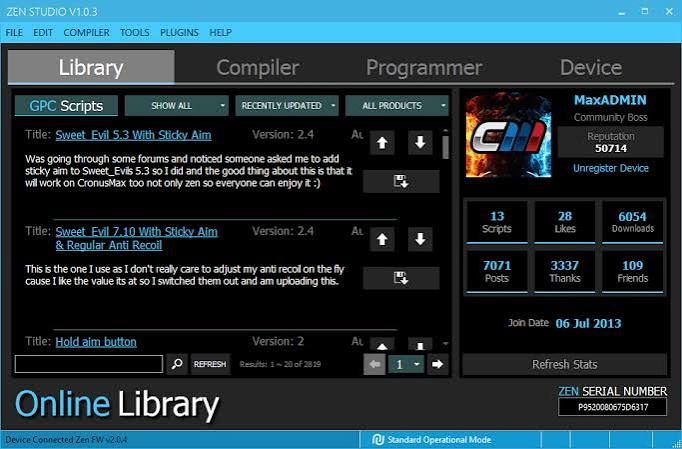
In today’s fast-paced digital world, people are constantly looking for ways to improve productivity, simplify tasks, and create more meaningful experiences. The term zen scripts can refer to simple, thoughtfully designed scripts or written practices that focus on clarity, efficiency, organization, and a calm approach to completing tasks. Depending on the context, zen scripts may be used in programming, automation, personal development, writing, or digital workflows.
The idea behind zen scripts is relatively simple: instead of creating complicated processes, the goal is to use straightforward methods that accomplish a specific purpose without unnecessary complexity. This approach can help individuals and businesses save time while maintaining a clear and organized workflow.
What Are Zen Scripts?
Zen scripts are generally understood as scripts designed around simplicity and focused functionality. A script is a set of instructions that tells a computer or system how to perform particular actions. When those instructions are carefully organized and kept easy to understand, they can be described as having a “zen” quality.
The concept emphasizes reducing unnecessary steps and concentrating on what matters most. A well-designed script should ideally be readable, maintainable, and useful rather than overloaded with features that are not required.
For example, a simple automation script might rename files, organize folders, process information, or perform repetitive computer tasks. Instead of manually completing the same process repeatedly, users can rely on a script to handle it efficiently.
Why Simplicity Matters in Scripting
Complexity is one of the biggest challenges in software development and automation. A script may work correctly but still become difficult to maintain if it contains unnecessary commands, confusing structures, or poorly organized logic.
Zen scripts take a different approach by encouraging simplicity. A simpler script can be easier to understand, test, update, and troubleshoot. This is especially valuable when several people need to work with the same project.
Simplicity also reduces the possibility of mistakes. When a workflow contains fewer unnecessary steps, there are fewer opportunities for something to go wrong.
Benefits of Using Zen Scripts
One of the main advantages of zen scripts is improved efficiency. Automated processes can complete repetitive tasks much faster than manual work. This allows users to spend more time on creative, strategic, or important responsibilities.
Another benefit is organization. A well-structured script can turn a complicated workflow into a predictable series of actions. This makes it easier to manage files, data, projects, and other digital resources.
Zen scripts can also improve consistency. When a task is performed manually, the results may vary depending on the person completing it. Automation allows the same instructions to be followed each time, producing more consistent results.
Maintenance is another important advantage. Clean and understandable code is generally easier to modify when requirements change. Developers can identify individual sections and make adjustments without rebuilding an entire system.
Zen Scripts and Automation
Automation is one of the most practical areas where simple scripts can make a major difference. Many everyday digital tasks are repetitive and do not require constant human decision-making.
For example, a script can help organize documents according to file type, generate reports from structured data, or perform routine administrative operations. Businesses can use automation to reduce repetitive workloads and improve operational efficiency.
The best automation does not necessarily involve the most complicated technology. In many situations, a small script that solves one problem effectively can be more useful than a large system with dozens of unnecessary features.
Zen Scripts for Developers
Developers can apply the principles of zen scripting to almost any programming language. The specific syntax may differ, but the underlying philosophy remains similar: write code that is clear, purposeful, and easy to maintain.
Good scripting practices include using meaningful names, keeping functions focused, avoiding unnecessary duplication, and adding useful documentation where appropriate. Developers should also test scripts carefully before using them in important environments.
A clean script should make its purpose obvious. When another developer opens the file, they should be able to understand what it does without spending excessive time decoding complicated logic.
Zen Scripts for Everyday Users
You do not have to be a professional programmer to benefit from scripting. Many scripts are designed to solve everyday computer problems.
For instance, users who regularly manage large numbers of files can automate organization tasks. Students and researchers can use scripts to process structured information. Content creators can automate repetitive parts of their workflows, while businesses can use scripts for routine administrative operations.
The key is identifying a repetitive task that follows predictable rules. If a task can be clearly described as a sequence of instructions, it may be suitable for automation.
Creating an Effective Zen Script
Creating a useful script starts with defining the problem. Before writing any code, determine exactly what you want the script to accomplish.
Next, break the task into smaller steps. This makes the workflow easier to understand and can reveal which parts should be automated.
After that, write the simplest practical solution. Avoid adding features that are unrelated to the original objective. Additional functionality can always be introduced later if it becomes necessary.
Testing is also essential. A script should be tested with normal situations as well as unexpected inputs. This helps identify potential errors before the script is used in a real workflow.
Finally, keep the script organized and document important decisions. Even a small amount of documentation can make future maintenance much easier.
Security and Responsible Scripting
While scripts can be extremely useful, they should always be created and used responsibly. A script that interacts with files, accounts, networks, or sensitive information should be carefully reviewed before execution.
Users should understand what a script does before running it. Downloading and executing unknown scripts can introduce security risks, particularly when the script has access to important files or system resources.
For professional environments, scripts should be tested in safe environments whenever possible. Access permissions should also follow the principle of giving a script only the permissions it actually needs.
Zen Scripts and Productivity
The broader philosophy behind zen scripts can also be connected to productivity. Digital tools are most useful when they reduce unnecessary work rather than create additional complexity.
A productive workflow should make important tasks easier to complete. By automating repetitive operations and simplifying processes, users can reduce distractions and focus their attention on higher-value activities.
This does not mean automating everything. Some tasks require creativity, judgment, or human interaction. The goal is to identify repetitive activities where automation can provide genuine value.
Common Mistakes to Avoid
One common mistake is trying to make a script do too many things at once. A script with a narrow and clearly defined purpose is often easier to maintain.
Another mistake is ignoring error handling. Scripts should account for reasonable problems instead of assuming that every input will always be perfect.
Poor documentation can also create difficulties. Even if a script seems obvious when it is created, its purpose may become unclear months later.
Finally, users should avoid running scripts without understanding their source and purpose. Security should always remain a priority.
The Future of Simple Scripting
As automation and artificial intelligence continue to develop, scripting is likely to remain an important part of digital workflows. New tools may make it easier for people without extensive programming knowledge to create useful automations.
However, the principle of simplicity will remain valuable. Technology can become extremely sophisticated, but users still need systems that are understandable, reliable, and practical.
Zen scripts represent an approach where technology serves a clear purpose without unnecessary complexity. Whether used for programming, automation, productivity, or workflow management, this philosophy can help people create more efficient digital environments.
Conclusion
Zen scripts represent the idea of creating simple, focused, and useful scripts that solve problems without adding unnecessary complexity. They can help automate repetitive tasks, improve consistency, organize workflows, and save valuable time.
For developers, the concept encourages clean and maintainable code. For everyday users, it highlights the potential of automation to simplify routine computer tasks. For businesses, it can contribute to more efficient digital operations.
Ultimately, the most effective script is not necessarily the longest or most advanced one. It is the one that solves the intended problem clearly, safely, and reliably. By focusing on simplicity and purpose, zen scripts can become a practical part of modern digital productivity.