


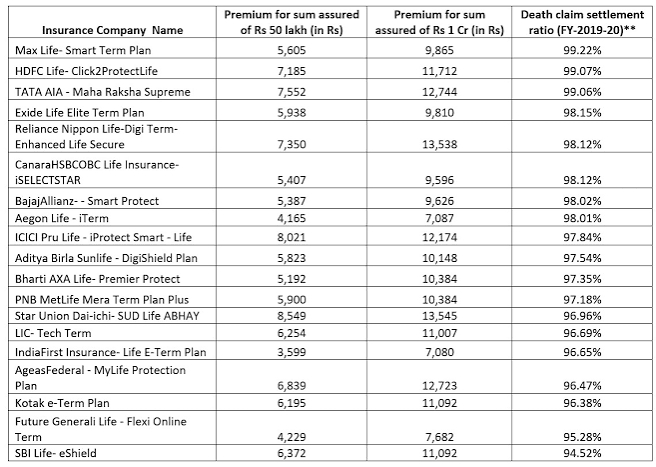
Choosing life insurance can feel complicated, especially when you are trying to balance the coverage your family needs with a premium that fits your budget. Term life insurance term life insurance rates calculator is often considered a straightforward and affordable option because it provides coverage for a specific period. However, premiums can vary significantly depending on several personal and policy-related factors. This is where a term life insurance rates calculator can be a useful tool.
A rates calculator gives you an estimate of what you may pay for coverage before you commit to a policy. By entering basic information, you can compare potential premiums, adjust coverage amounts, and explore different policy terms. Understanding how these calculators work can make the process of finding suitable coverage much easier.
What Is a Term Life Insurance Rates Calculator?
A term life insurance rates calculator is an online tool designed to estimate the potential cost of term life insurance. It typically asks for information such as your age, location, desired coverage amount, policy term, and sometimes general health or lifestyle details.
The calculator uses the information you provide to generate an estimated premium. While the result is not necessarily the exact price an insurer will offer, it can give you a useful starting point for comparing options.
For example, someone looking for a 20-year policy with a specific coverage amount can use the calculator to see how changing the coverage or term could affect estimated costs. This makes it easier to understand your choices before requesting formal quotes.
Why Term Life Insurance Rates Vary
Insurance companies consider several factors when determining premiums. Understanding these factors can help you use a calculator more effectively.
Age
Age is one of the most important factors affecting term life insurance premiums. Generally, younger applicants may receive lower estimated rates because they statistically represent a lower insurance risk.
As you get older, premiums can increase. Using a calculator can help you see how your age and desired coverage level may influence estimated costs.
Coverage Amount
The amount of life insurance you want also affects the premium. A larger death benefit generally costs more than a smaller one because the insurer would potentially pay a higher amount to beneficiaries.
A calculator allows you to experiment with different coverage levels. You might compare several amounts to determine how much protection you need without selecting significantly more coverage than necessary.
Policy Length
Term life insurance is available in different policy durations. Common terms may include 10, 15, 20, or 30 years, depending on the insurer and market.
A longer policy may cost more because the insurer is providing protection for an extended period. A calculator can help you compare estimated premiums for different terms and determine which duration makes sense for your financial goals.
Health and Lifestyle
Health and lifestyle information can also influence life insurance rates. Insurers may consider factors such as general health, tobacco use, and other risk-related information when determining final premiums.
Some basic calculators may only provide broad estimates, while more detailed quote tools may request additional information. The final rate usually depends on the insurer’s underwriting process.
How a Calculator Helps You Find Affordable Coverage
One of the biggest advantages of using a calculator is that it allows you to explore different possibilities quickly.
Instead of requesting multiple quotes without knowing what to expect, you can begin by estimating potential costs. You can then adjust your coverage amount or policy duration to see how those changes may affect the estimated premium.
For example, if a particular coverage amount produces a premium that is outside your budget, you can test another amount. This does not mean you should automatically choose the cheapest policy. Instead, it helps you understand the relationship between cost and protection.
The goal is to find a balance between adequate financial protection and a premium that you can reasonably maintain throughout the policy term.
Compare Different Coverage Scenarios
A calculator can be especially useful when comparing multiple scenarios. You might start with your preferred coverage amount and policy term, then compare the results with alternative options.
Consider comparing:
- Different coverage amounts
- Different policy terms
- Different premium estimates
- Coverage needs based on major financial obligations
- Potential affordability over the entire policy period
This approach can help you make a more informed decision instead of focusing only on the lowest available premium.
Consider Your Financial Needs
Finding affordable coverage should not simply mean choosing the policy with the smallest monthly payment. The coverage should also provide meaningful financial protection for your beneficiaries.
When determining how much coverage may be appropriate, consider expenses such as outstanding debts, household obligations, education costs, and future financial needs. Your income and the financial support your family may depend on can also be important considerations.
A calculator cannot determine the perfect amount of coverage for you, but it can help you explore different amounts and understand their potential costs.
Use Estimates as a Starting Point
It is important to remember that calculator results are generally estimates rather than guaranteed insurance offers. The final premium may differ after an insurer reviews your application and completes its underwriting process.
Factors that were not included in a basic calculator may affect the final rate. The insurer may also use its own pricing guidelines and eligibility requirements.
For this reason, use the calculator as a research and comparison tool. Once you have identified a coverage level and term that appear suitable, you can obtain official quotes from insurers to determine your actual options.
Tips for Getting More Accurate Estimates
To make your calculator results more useful, enter accurate information whenever possible. Avoid choosing information simply because it produces a lower estimate.
You can also run several calculations instead of relying on one result. Try different coverage amounts and policy terms to understand how each choice affects the estimated premium.
It can also be helpful to compare estimates from multiple insurers because pricing can vary between companies. Different insurers may evaluate applicants and policy features differently.
Benefits of Planning Before Buying
Using a term life insurance rates calculator before applying can make the insurance-shopping process more organized. You can establish a realistic budget, understand potential coverage costs, and identify questions you may want to ask an insurance provider.
Planning ahead can also reduce the temptation to make a rushed decision based only on price. Instead, you can evaluate the coverage amount, policy duration, affordability, and overall financial purpose of the policy.
Conclusion
A term life insurance rates calculator can be a valuable first step when searching for affordable term life insurance. It helps you estimate potential premiums, compare coverage amounts, explore different policy terms, and understand how certain factors can influence costs.
Although calculator results are estimates and should not replace official insurance quotes or professional guidance, they provide useful information for planning. By comparing different scenarios and focusing on both affordability and adequate protection, you can approach the life insurance process with greater confidence and make a more informed choice for your financial future.