


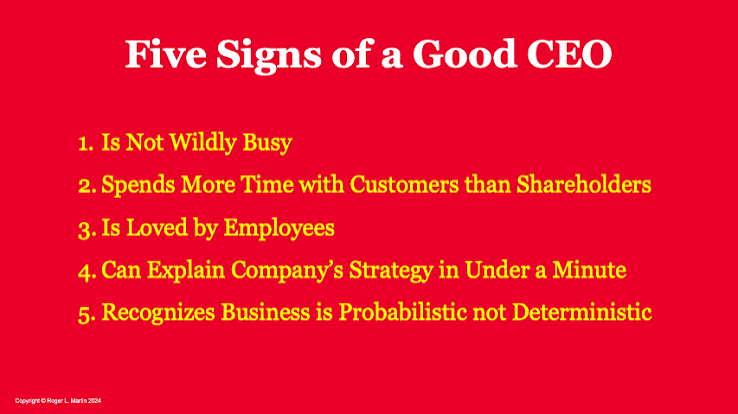
A powerful vision can inspire people, attract customers, and give a company a clear sense of direction. However, having a great idea is only the beginning. The real challenge for any chief executive officer is turning that vision into measurable results and building what great CEOs understand a company that can succeed for years. The most effective CEOs understand that lasting success requires more than ambition. It demands discipline, strong leadership, adaptability, strategic thinking, and a culture that keeps people moving toward a shared purpose.
Vision Must Become a Practical Strategy
Great CEOs understand that a vision has little value if employees cannot see how it connects to their daily responsibilities. A broad statement about changing an industry or serving customers better must be transformed into specific goals and priorities.
Successful leaders break their vision into achievable objectives. They determine what needs to happen this year, this quarter, and even this week. By creating a practical roadmap, CEOs make it easier for teams to understand what success looks like and how their work contributes to the larger mission.
This approach also prevents organizations from becoming distracted by every new opportunity. A clear strategy helps leaders decide what deserves attention and what should be avoided.
Strong CEOs Build Around People
Turning vision into lasting success is never a one-person achievement. Even the most talented CEO depends on capable employees, managers, advisors, and partners.
One of the most important things what great CEOs understand is that people are the engine behind execution. They hire individuals who bring different skills and perspectives, then create an environment where those people can perform at their best.
Great leaders also communicate expectations clearly. They encourage employees to take ownership instead of waiting for constant instructions. When people understand the company’s purpose and feel trusted to contribute, they become more invested in achieving long-term goals.
A strong CEO also recognizes that talent development is an ongoing process. Training, mentoring, feedback, and opportunities for growth help organizations maintain a capable workforce as they evolve.
Consistency Turns Ideas Into Results
A vision can generate excitement, but consistency creates progress. CEOs who build lasting companies understand that success usually comes from repeatedly making good decisions rather than relying on occasional breakthroughs.
Consistency appears in many areas of leadership. It can mean maintaining high customer-service standards, reviewing financial performance regularly, communicating with employees openly, and following through on commitments.
This does not mean refusing to change. Instead, it means staying committed to the company’s core purpose while adjusting tactics when circumstances change. Consistent leadership creates confidence because employees and customers know what they can expect from the organization.
Adaptability Protects Long-Term Growth
Markets change constantly. Technology develops, customer expectations shift, competitors introduce new products, and economic conditions can create unexpected challenges. A company that refuses to adapt can quickly lose its advantage.
Great CEOs understand that protecting a vision does not mean protecting every original plan. They remain focused on the desired outcome while being willing to change the path used to reach it.
Adaptable leaders pay attention to trends and listen carefully to customers. They encourage experimentation and view reasonable failures as opportunities to learn. This flexibility allows organizations to respond to change without losing their identity.
Customer Needs Must Remain Central
Companies exist because they provide value to customers. CEOs who want lasting success therefore make customer needs a central part of their decision-making.
A strong vision should ultimately answer an important question: How does this organization make people’s lives better?
Successful CEOs regularly seek customer feedback, study changing expectations, and monitor satisfaction. They understand that customer loyalty is earned through reliable experiences rather than impressive marketing alone.
When companies continuously improve their products and services based on genuine customer needs, they create stronger relationships and develop advantages that competitors may find difficult to copy.
Culture Makes the Vision Sustainable
A company can have an excellent strategy and still struggle if its internal culture does not support that strategy. Culture influences how employees communicate, make decisions, solve problems, and treat customers.
Great CEOs deliberately build cultures that reflect the organization’s values. They understand that employees pay attention to leadership behavior more than corporate slogans.
If a CEO promotes innovation but punishes every mistake, employees may become afraid to experiment. If a leader talks about teamwork but rewards only individual performance, collaboration may suffer.
The strongest CEOs make sure their actions support the values they expect from everyone else. Over time, this alignment turns company values into everyday habits.
Smart CEOs Balance Short-Term and Long-Term Goals
Businesses naturally face pressure to produce immediate results. Revenue, costs, sales, and quarterly performance all matter. However, focusing exclusively on short-term numbers can damage long-term potential.
Great CEOs learn to balance immediate priorities with investments that may take years to produce results. These investments can include employee development, research, technology, customer relationships, brand building, and operational improvements.
The ability to think beyond the next quarter allows leaders to make decisions that strengthen the organization rather than simply improve temporary performance.
Decisions Should Be Guided by Data and Judgment
Modern businesses have access to enormous amounts of information. Data can help CEOs identify trends, measure performance, understand customers, and evaluate risks. Yet successful leadership requires more than collecting numbers.
What great CEOs understand is that data should support judgment rather than replace it. Leaders must interpret information within the broader context of their industry, employees, customers, and competitive environment.
They also know when to act despite uncertainty. Waiting for perfect information can sometimes be more dangerous than making a thoughtful decision with incomplete information.
Resilience Keeps Companies Moving Forward
Every successful company eventually faces setbacks. Projects fail, markets decline, competitors become stronger, and unexpected problems appear.
Great CEOs do not pretend that difficulties will never happen. Instead, they prepare organizations to respond effectively when they do. They remain calm during challenging periods, communicate honestly, and focus teams on practical solutions.
Resilient leadership helps employees understand that setbacks are not necessarily the end of the journey. They can provide valuable lessons that make the organization stronger.
Ethical Leadership Creates Lasting Trust
Long-term success depends heavily on trust. Customers, employees, investors, and business partners want to work with organizations they believe are reliable and responsible.
CEOs who prioritize ethical behavior understand that reputation is an important business asset. Transparent communication, fair treatment, responsible decision-making, and accountability can strengthen relationships over time.
Shortcuts may produce temporary benefits, but they can create serious problems when trust is damaged. Sustainable companies recognize that doing the right thing is often an essential part of doing good business.
Turning Vision Into a Lasting Legacy
The difference between having a vision and creating lasting success lies in execution. Great CEOs transform ideas into strategies, strategies into actions, and actions into systems that can continue producing value.
They surround themselves with capable people, remain close to customers, embrace change, develop strong cultures, and balance immediate performance with long-term thinking. Most importantly, they understand that leadership is not simply about reaching a destination. It is about building an organization capable of continuing the journey.
In the end, what great CEOs understand is that lasting success is created through thousands of thoughtful decisions made consistently over time. A compelling vision may start the journey, but disciplined execution, adaptable leadership, strong values, and a commitment to people are what turn that vision into an enduring success story.