

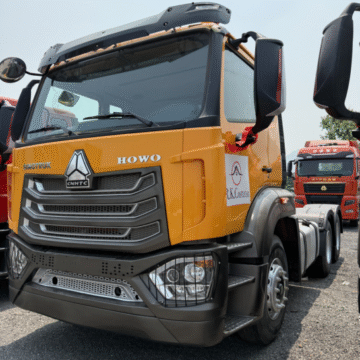
Exporting heavy-duty vehicles requires careful planning, strategic execution, and compliance with international regulations. For businesses looking to grow their presence in the global trucking industry, understanding the best practices for exporting Howo tractor units worldwide is crucial. This article will provide a comprehensive guide for businesses, distributors, and logistics professionals aiming to export Howo tractor units efficiently and profitably.
Understanding the Market for Howo Tractor Unit for Export
Before exporting Howo tractor units, it is essential to research potential international markets. Different countries have varying regulations, demand levels, and infrastructure capacities for heavy-duty trucks. Markets in Africa, the Middle East, and Southeast Asia often show high demand for robust, reliable tractor units. By understanding these markets, exporters can tailor their offerings, ensuring that the Howo tractor unit for export meets local expectations in terms of engine power, load capacity, and emission standards.
Knowing your target market also involves understanding the competition. Rhino Truck, a leading supplier of Howo tractor units, provides high-quality vehicles that are recognized for their durability and performance. Leveraging the brand reputation of Rhino Truck can significantly ease market entry, as buyers often prioritize reliability and long-term support over initial cost.
Compliance with International Regulations
One of the critical steps in exporting Howo tractor units worldwide is ensuring compliance with international transport regulations. Each country may have unique standards regarding vehicle emissions, safety features, and import documentation. Exporters must verify that their Howo tractor unit for export meets these requirements before shipment.
Key compliance considerations include obtaining a Certificate of Conformity, emission certifications, and meeting local vehicle registration standards. Working with experienced customs brokers and logistics partners can help streamline this process, preventing costly delays at ports of entry. Additionally, understanding trade agreements between countries can provide tax and tariff benefits, further optimizing the export process.
Preparing the Howo Tractor Unit for Export
Proper preparation of the Howo tractor unit is essential to avoid damage during transit and to maintain its market value. Export-ready units should undergo thorough inspections to ensure that all mechanical and electrical systems are functioning correctly. Rhino Truck emphasizes quality checks, ensuring that each Howo tractor unit for export is roadworthy and meets high standards.
Documentation is another vital aspect. Detailed export documentation should include the invoice, packing list, bill of lading, and any certifications required by the importing country. Clear labeling and adherence to packaging standards are necessary to comply with shipping regulations and reduce the risk of logistical complications.
Choosing the Right Shipping Method
Selecting the appropriate shipping method is crucial for cost-effectiveness and timely delivery. Howo tractor units are typically exported using roll-on/roll-off (Ro-Ro) vessels, flat racks, or containerized shipments depending on the destination, size of the order, and port facilities.
Ro-Ro shipping is ideal for large volumes of trucks, as vehicles can be driven directly onto the vessel, minimizing handling risks. Flat racks and container shipping offer additional protection but may incur higher costs. Exporters should collaborate with freight forwarders experienced in handling heavy-duty trucks to determine the best shipping solution for each market.
Risk Management in Export Operations
Exporting heavy machinery carries inherent risks, including damage during transit, customs delays, and market fluctuations. To mitigate these risks, exporters should invest in comprehensive insurance coverage. Marine cargo insurance is crucial for protecting the Howo tractor unit for export against accidents, natural disasters, or theft during shipment.
Additionally, having a clear contract with buyers outlining responsibilities, delivery timelines, and warranty provisions is essential. Rhino Truck provides post-sale support and service packages that reassure international buyers, enhancing trust and encouraging repeat business.
Building Strong Partnerships
Long-term success in exporting Howo tractor units worldwide depends heavily on building strong international partnerships. Collaborating with local distributors, dealerships, and logistics providers can facilitate smoother market entry and help navigate regulatory challenges. Local partners provide valuable insights into market preferences, legal requirements, and consumer expectations.
Participation in trade shows, industry expos, and international trucking conferences can also enhance visibility and credibility. Rhino Truck often engages in such events to showcase their high-performance Howo tractor units, building trust with potential buyers and distributors.
Marketing and Customer Support
Effective marketing is vital for promoting Howo tractor units in overseas markets. Highlighting features such as fuel efficiency, engine durability, and heavy load capacity resonates well with international buyers. Providing case studies or testimonials from satisfied customers can enhance brand credibility.
Customer support is equally important. International buyers value after-sales service, spare parts availability, and technical support. Rhino Truck ensures that global customers have access to these services, making their Howo tractor unit for export an attractive investment.
Conclusion
Exporting Howo tractor units worldwide requires a strategic approach encompassing market research, regulatory compliance, proper preparation, and effective logistics. By following these best practices, exporters can minimize risks, enhance customer satisfaction, and build a sustainable presence in international markets. Leveraging the reputation and support of Rhino Truck ensures that each Howo tractor unit for export delivers performance, reliability, and long-term value to buyers across the globe.
Adhering to these guidelines not only simplifies the export process but also strengthens a company’s position in the competitive global trucking industry. Businesses that invest in proper planning, risk management, and customer support are more likely to achieve successful and profitable international operations.